
The Role of Luck in Casino Games
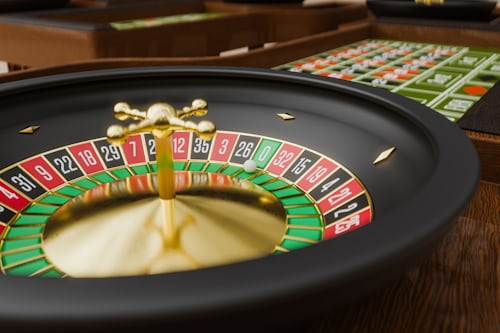
Luck plays a pivotal role in the overall experience of casino games, and many enthusiasts enjoy exploring options like australian online pokies . The very nature of these games is based on chance, where outcomes are often unpredictable. For instance, in games like roulette, players place bets on where they think a ball will land, knowing that each spin is independent of the previous one. This inherent unpredictability can both excite and frustrate players, as fortunes can change in a matter of seconds, leading to significant wins or crushing losses.
Moreover, luck influences the psychological aspect of gambling. Players often feel that their decisions can be influenced by lucky or unlucky streaks. For example, a player who wins a few rounds in a row may feel invincible, attributing their success to their skill rather than chance. Conversely, a series of losses may create a sense of hopelessness, leading players to chase their losses, which can spiral into poor decision-making. Understanding this psychological interplay can greatly affect a player’s experience.
The randomness of luck also brings an element of excitement to the gaming experience. Each game session is unique, like a new and unpredictable adventure. This is especially true in slot machines, where players are often captivated by the spinning reels and the anticipation of hitting a jackpot. The thrill of waiting for the outcome amplifies the feeling that luck is a vital component of the casino experience, contributing to the allure and charm of these gambling establishments.
The Influence of Luck on Player Behavior
Luck does not just impact game outcomes; it significantly affects how players interact with the casino environment. When players feel lucky, they are more likely to increase their bets, stay longer, and engage more deeply with the games. This behavior can lead to higher stakes and bigger wins or losses. For instance, a player who wins a modest amount might feel emboldened to place larger bets, believing that their winning streak will continue.
Conversely, if a player experiences bad luck, they may quickly become disengaged, making hastier decisions or leaving the casino altogether. This fluctuation in behavior serves to highlight the mental and emotional connection players have with luck. Players may even create rituals or superstitions, such as wearing lucky clothing or avoiding certain areas of the casino, in hopes of influencing their luck. This human tendency to seek control over chance can significantly alter their gambling experience.
The way players respond to luck can also affect social interactions within the casino. A player on a hot streak may become more social, sharing their joy with nearby players, while one facing difficulty might withdraw emotionally. This dynamic can shape the atmosphere of the casino, where shared experiences of luck—both good and bad—can foster camaraderie or create tension among players, influencing the overall enjoyment of the gaming experience.
The Balance of Skill and Luck
In the casino world, the relationship between skill and luck is often debated. While games like poker require a substantial amount of skill, luck still plays a critical role in determining outcomes. Even the most skilled players can find themselves at the mercy of the cards dealt. This duality creates an intricate balance, where a player’s knowledge and experience can be overshadowed by an unexpected turn of fate.
Skill-based games often see players employing strategies to maximize their chances of winning, yet luck can change the tides in an instant. A seasoned poker player, for example, may understand the odds of their hand but can still lose to an opponent who gets lucky draws. This uncertainty adds to the complexity of the casino experience, where the finest of strategies may sometimes yield to pure chance, continually keeping players on their toes.
This balance between skill and luck also affects how players perceive their victories. A win attributed to skill may feel more rewarding, encouraging players to continue honing their abilities. In contrast, wins that rely primarily on luck can lead to a sense of vulnerability, as players recognize that their fortune can shift at any moment. This unpredictability ultimately shapes their approach to gambling, making each visit to the casino a unique adventure in chance and strategy.
The Cultural Perception of Luck in Gambling
Luck is perceived differently across cultures, influencing how people approach gambling. In some cultures, luck is seen as a powerful force, with rituals and beliefs intertwined with gambling practices. For example, in many Asian cultures, certain numbers or colors are considered lucky, and players will often choose their bets based on these beliefs. This cultural backdrop can enhance the thrill of the gaming experience and make it more meaningful for players.

Additionally, superstitions around luck can vastly influence player behavior in casinos. From carrying lucky charms to utilizing specific betting patterns, players often rely on these practices to harness luck. This cultural lens on gambling suggests that luck is not just a matter of chance; it’s a nuanced component that shapes individual experiences and strategies within the casino environment.
The cultural perception of luck may also affect how players cope with losses. In some cultures, losses are seen as part of the gambling experience, while in others, they might carry a heavier psychological burden. This can drive patterns of behavior where players either exhibit resilience in the face of bad luck or become despondent, ultimately shaping their overall experience in the casino and influencing their propensity to return.
Why Understanding Luck Enhances Your Casino Experience
Recognizing the role of luck in your casino experience can fundamentally enhance how you approach gambling. By understanding that luck is an integral part of the game, players can adopt a more balanced perspective, focusing not just on winning or losing but on enjoying the moment. This mindset enables players to engage more fully in the excitement and entertainment that casinos offer, transforming the experience into one of enjoyment rather than solely a financial pursuit.
Furthermore, embracing the role of luck can lead to healthier gambling habits. When players accept that outcomes are not completely within their control, they may be less likely to chase losses or make irrational decisions driven by frustration. This awareness encourages responsible gambling, allowing individuals to set limits and enjoy their time without undue stress. Ultimately, gambling can be viewed more as a form of entertainment rather than a mere means to an end.
Understanding luck also opens the door to a deeper appreciation of the gaming experience. Players can enjoy the thrill of anticipation, the joy of winning, and the lessons learned in losses. This well-rounded perspective not only enhances individual enjoyment but also invites players to share their experiences and stories with others, fostering a sense of community in the vibrant world of casinos. By embracing luck as an essential element of this journey, players can enrich their casino adventures.